
26 Mar 2026
|20 min
Prototyping tools
Explore the best prototyping tools for UX and UI design. Compare low- and high-fidelity prototyping software and learn how to choose the right tool.

Prototyping tools help you bring design ideas to life – before a single line of code is written. They allow you to create interactive mockups of websites, apps, or digital products so you can test layouts, user flows, and interactions early in the design process. Whether you're exploring rough concepts with paper sketches or building pixel-perfect interactive experiences, the right prototyping tool can mean the difference between launching a product users love and one that misses the mark entirely.
These tools are essential for bridging the gap between design and development. Aquent reports 52% of product teams experience delays from design-development misalignment, making it critical to collaborate with teammates, share work with stakeholders, and gather meaningful feedback – all while keeping the momentum going.
This guide covers everything you need to know about prototyping tools: what they are, how to choose the right one for your needs, and how to integrate them into a research-driven design workflow.
Key takeaways
Prototyping tools span a spectrum from low-fidelity wireframing tools for early exploration to high-fidelity platforms that create realistic, interactive experiences.
Early prototyping reduces risk by validating design decisions before expensive development work begins.
The best tool depends on your needs – consider fidelity requirements, collaboration features, learning curve, budget, and integration with testing platforms.
Prototypes should be tested with real users at every fidelity level to gather actionable feedback that informs iteration.
Combining prototyping with usability testing creates a powerful feedback loop that leads to better products and more confident design decisions.
See what real users think
Test your prototypes with real users and make design decisions with confidence – not guesswork.
What are prototyping tools?
Prototyping tools are software applications that enable designers to create interactive representations of digital products. These representations – called prototypes – simulate how a final product will look, feel, and function, allowing teams to explore ideas, test assumptions, and communicate design intent before development begins.
Prototyping in UX/UI design
In UX design, prototyping serves as a critical bridge between abstract concepts and tangible experiences. Rather than describing how a feature should work in a document, designers can show stakeholders and users exactly what they mean through interactive demonstrations.
Prototypes range from simple paper sketches to fully functional simulations that closely mimic the final product. The level of detail – often called "fidelity" – depends on what you're trying to learn and where you are in the design process.
Difference between wireframes and prototypes
While the terms are sometimes used interchangeably, wireframes and prototypes serve different purposes:
Wireframes | Prototypes |
|---|---|
Static layouts showing structure and content hierarchy | Interactive representations with clickable elements |
Focus on information architecture and layout | Focus on user flows and interactions |
Typically low-fidelity (grayscale, minimal detail) | Can range from low to high fidelity |
Answers "what goes where?" | Answers "how does it work?" |
Think of wireframes as blueprints and prototypes as scale models. Wireframes show the structure; prototypes let you experience the flow.
Why prototyping tools matter
The right prototyping tool can dramatically accelerate your design process. Modern tools offer features like:
Real-time collaboration so distributed teams can work together seamlessly.
Component libraries that ensure consistency across designs.
Interactive hotspots that simulate actual user interactions.
Developer handoff features that streamline the transition to code.
Integration with testing platforms for gathering user feedback.
Without dedicated prototyping tools, teams often resort to static mockups or lengthy specification documents – both of which can lead to misunderstandings, wasted development effort, and products that don't meet user needs.
Why prototyping is important in UX design
Prototyping isn't just a nice-to-have step in the design process – it's essential for creating products that actually work for users. Here's why investing time in prototyping pays dividends throughout the product development lifecycle.
Early validation
Prototypes allow you to test ideas with real users before you've committed significant resources to development. A clickable prototype can reveal usability issues, confusing navigation patterns, or missing features that would be far more expensive to fix after launch.
As the Nielsen Norman Group has documented extensively, usability testing with even five participants can uncover the majority of usability problems in a design. Prototypes make this kind of early testing possible.
Reduced development risk
Every design decision that gets validated through prototyping is one less assumption that could derail development. When developers build from tested prototypes, they're working from designs that have already proven their effectiveness with users.
This reduces the costly back-and-forth that happens when development teams build features based on untested assumptions, only to discover they don't work as intended.
Faster iteration
Prototyping tools make it easy to try multiple approaches quickly. Want to test whether users prefer a sidebar navigation or a top menu? Create both versions and test them. Wondering if a three-step checkout flow performs better than a single-page approach? Prototype and compare.
This rapid experimentation would be prohibitively expensive if you had to build each variation in code. With prototyping tools, you can explore dozens of ideas in the time it would take to develop one.
Improved team alignment
Prototypes serve as a shared reference point for everyone involved in product development. Instead of debating abstract concepts, teams can point to specific interactions and discuss concrete improvements.
This shared understanding extends to stakeholders as well. A clickable prototype communicates design intent far more effectively than a slide deck or written specification, making it easier to get buy-in and feedback from decision-makers.
Types of prototyping tools
Prototyping tools fall into several categories based on the level of fidelity they support and the specific use cases they address. Understanding these categories helps you choose the right tool for each stage of your design process.
Low-fidelity prototyping tools
Low-fidelity tools are designed for early-stage exploration when you're still figuring out the basic structure and flow of your product. These tools prioritize speed over polish, allowing you to quickly sketch ideas and test fundamental concepts.
Characteristics of low-fidelity tools:
Simple, often grayscale interfaces
Drag-and-drop components for rapid assembly
Focus on layout and structure rather than visual design
Quick learning curve for non-designers
Best for: Early ideation, stakeholder workshops, testing information architecture, and exploring multiple concepts quickly.
High-fidelity prototyping tools
High-fidelity tools create prototypes that closely resemble the final product, complete with accurate colors, typography, imagery, and interactions. These tools are essential for testing detailed design decisions and preparing designs for development handoff.
Characteristics of high-fidelity tools:
Pixel-perfect design capabilities
Advanced animation and transition controls
Component and design system support
Developer-friendly export options
Best for: Final design validation, usability testing of specific interactions, stakeholder presentations, and developer handoff.
Interactive and clickable prototypes
Interactive prototypes add clickable hotspots and navigation flows to static designs, allowing users to tap through screens as if using a real product. This category spans both low and high fidelity – what matters is the ability to simulate user journeys.
Key capabilities:
Clickable hotspots that link screens together
Scroll and swipe interactions
Conditional logic for branching flows
State changes and hover effects
Best for: User flow testing, navigation validation, and demonstrating how features connect across multiple screens.
AI-powered prototyping tools
A newer category of tools uses artificial intelligence to accelerate the prototyping process. These tools can generate layouts from text descriptions, suggest design improvements, or automatically create responsive variations.
Some teams are also experimenting with AI code generation tools like Bolt, Lovable, and v0, which can produce functional front-end code from text prompts. While these blur the line between prototyping and early development, they're increasingly being used for rapid concept exploration – particularly by teams without dedicated design resources.
Read more: Check out our guide on how to validate prototypes built in Lovable, and then get started with our free template.
Emerging AI capabilities:
Text-to-design generation
Automatic layout suggestions
Smart component recommendations
Accessibility checking
Best for: Rapid concept exploration, democratizing design across teams, and accelerating repetitive design tasks.
Best prototyping tools for UX designers
The prototyping tool landscape offers options for every need and budget. Here's a closer look at the most popular tools and what makes each one stand out.
Figma
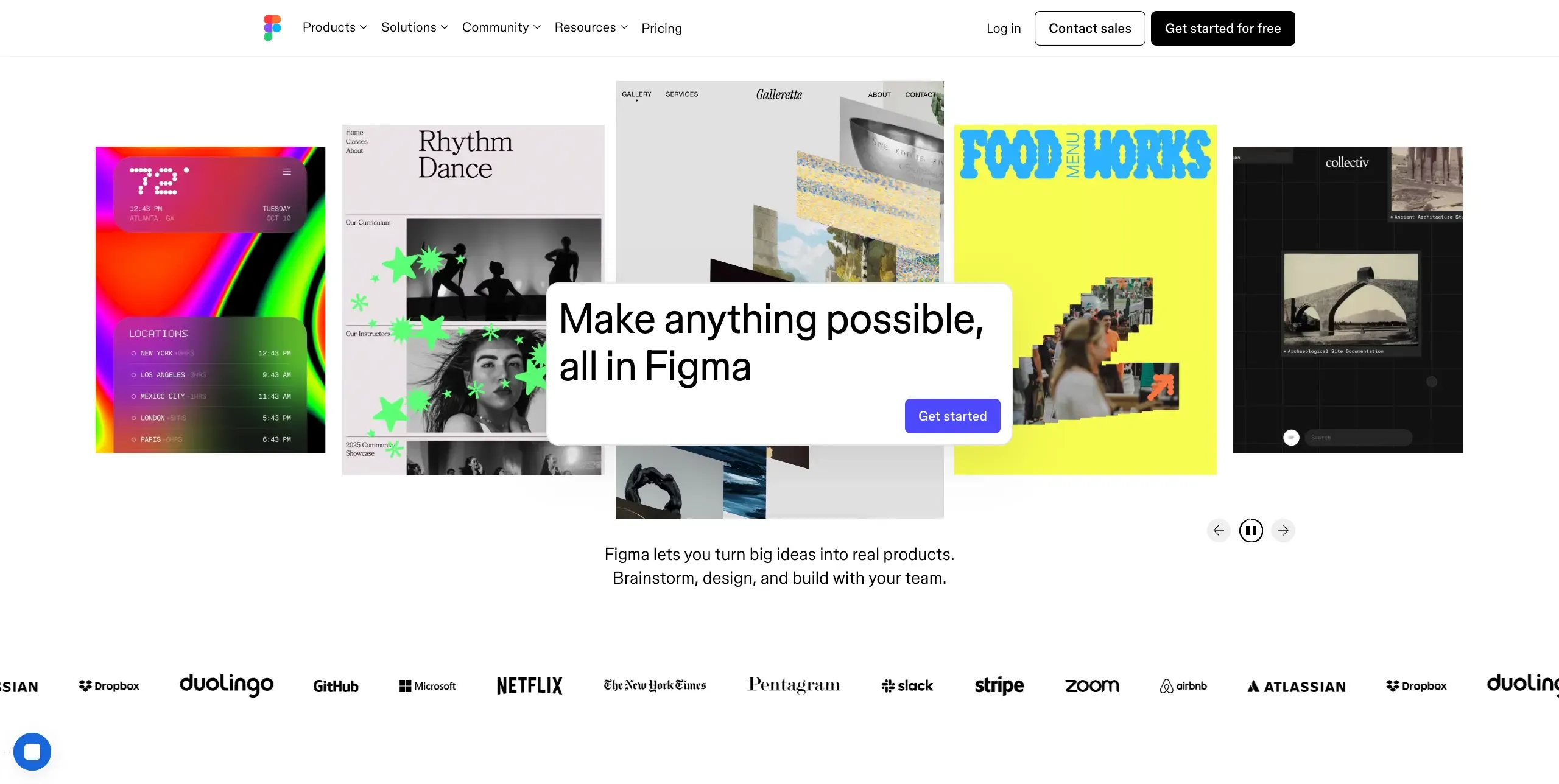
Figma is a cloud-based design and prototyping tool that allows teams to collaborate on user interfaces, web pages, mobile apps, and other digital products. It has an active online community and has become the industry standard for many design teams.
Best for: Collaborative design and prototyping across distributed teams.
Strengths:
Real-time multiplayer editing
Robust component and design system features
Extensive plugin ecosystem
Free tier for individuals and small teams
Browser-based with no installation required
Limitations:
Advanced animations require workarounds or plugins
Can feel overwhelming for simple projects
Offline functionality is limited
Ideal use case: Teams that need to collaborate closely on design systems and want a single tool for both design and prototyping.
Sketch
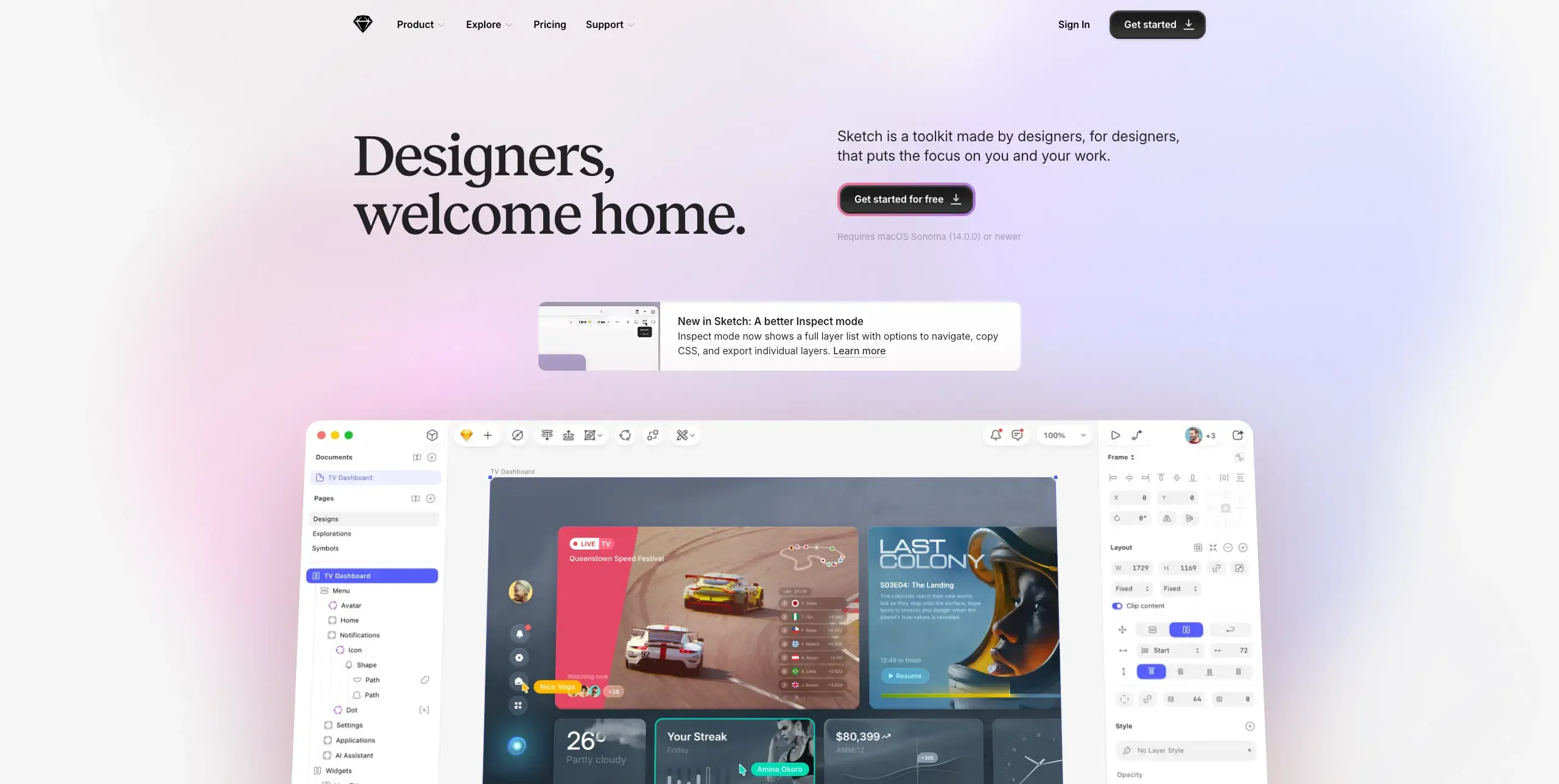
Sketch pioneered the modern UI design tool category and remains popular, particularly among Mac users. While it started as a design tool, its prototyping capabilities have grown significantly.
Best for: Mac-based design teams with established workflows.
Strengths:
Mature, stable platform with extensive plugin support
Strong symbol and library management
Native Mac performance
Large community and resource library
Limitations:
Mac-only (no Windows or browser version)
Collaboration features require additional subscription
Prototyping less robust than dedicated tools
Ideal use case: Design teams already invested in the Mac ecosystem who value stability and a focused feature set.
Adobe XD
Adobe XD offers design and prototyping capabilities integrated with the broader Adobe Creative Cloud ecosystem. Note: Following Adobe's agreement to acquire Figma (which was later blocked by regulators), Adobe communicated to Creative Cloud customers that they are reducing investment in XD while continuing to support it.
Best for: Teams already using Adobe Creative Cloud who want tight integration.
Strengths:
Seamless integration with Photoshop, Illustrator, and other Adobe tools
Voice prototyping capabilities
Auto-animate for smooth transitions
Included with Creative Cloud subscriptions
Limitations:
Uncertain long-term roadmap
Smaller plugin ecosystem than competitors
Collaboration features less mature than Figma
Ideal use case: Adobe-centric teams who need basic prototyping without adding another tool to their stack.
Axure RP
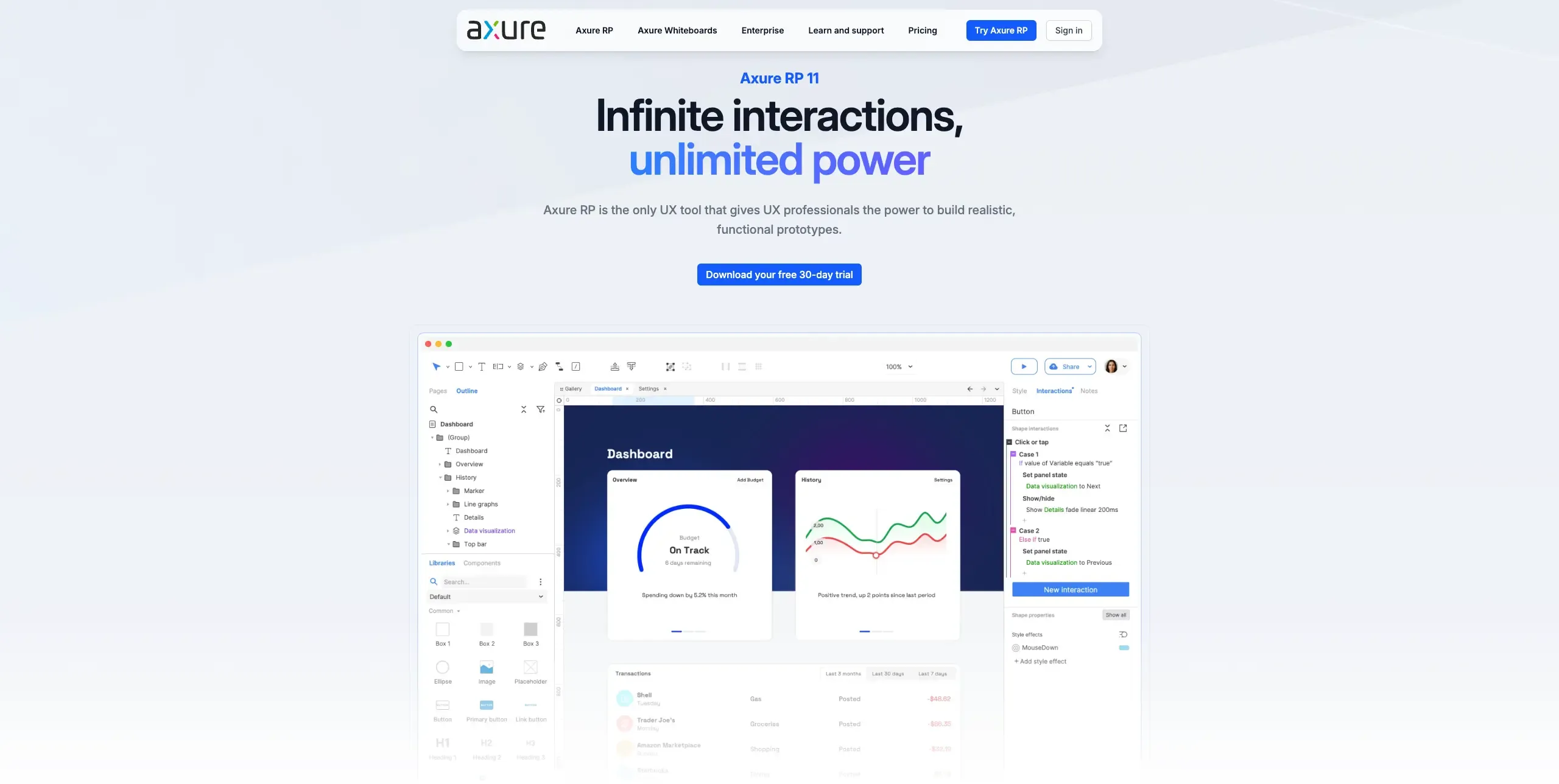
Axure is a powerful prototyping tool designed for creating complex, logic-driven prototypes. It's particularly popular among UX professionals working on enterprise applications.
Best for: Complex prototypes with conditional logic and dynamic content.
Strengths:
Advanced conditional logic and variables
Documentation and specification features
No coding required for complex interactions
Strong for enterprise and B2B applications
Limitations:
Steep learning curve
Interface feels dated compared to newer tools
Overkill for simple projects
Ideal use case: UX teams working on complex enterprise applications that require sophisticated prototype logic.
Framer
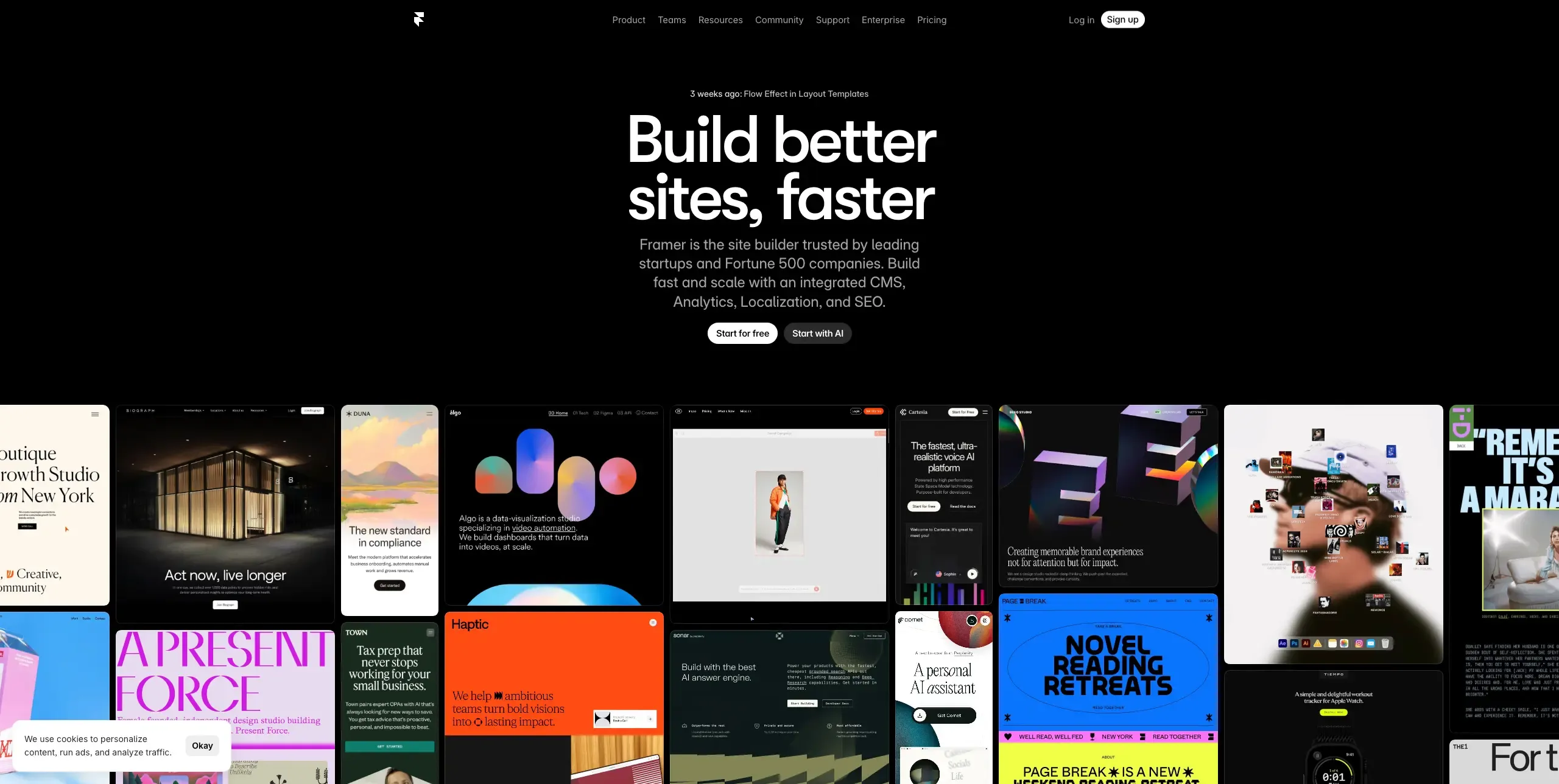
Framer bridges the gap between design and code, offering powerful prototyping capabilities alongside the ability to publish production-ready websites.
Best for: Designers who want code-level control without writing code.
Strengths:
Publish prototypes as live websites
Advanced animation and interaction capabilities
Component-based design system
AI-powered design features
Limitations:
Steeper learning curve than simpler tools
Can be overwhelming for basic prototyping needs
Pricing can add up for larger teams
Ideal use case: Design teams creating marketing sites or landing pages who want to go from prototype to production in one tool.
Balsamiq
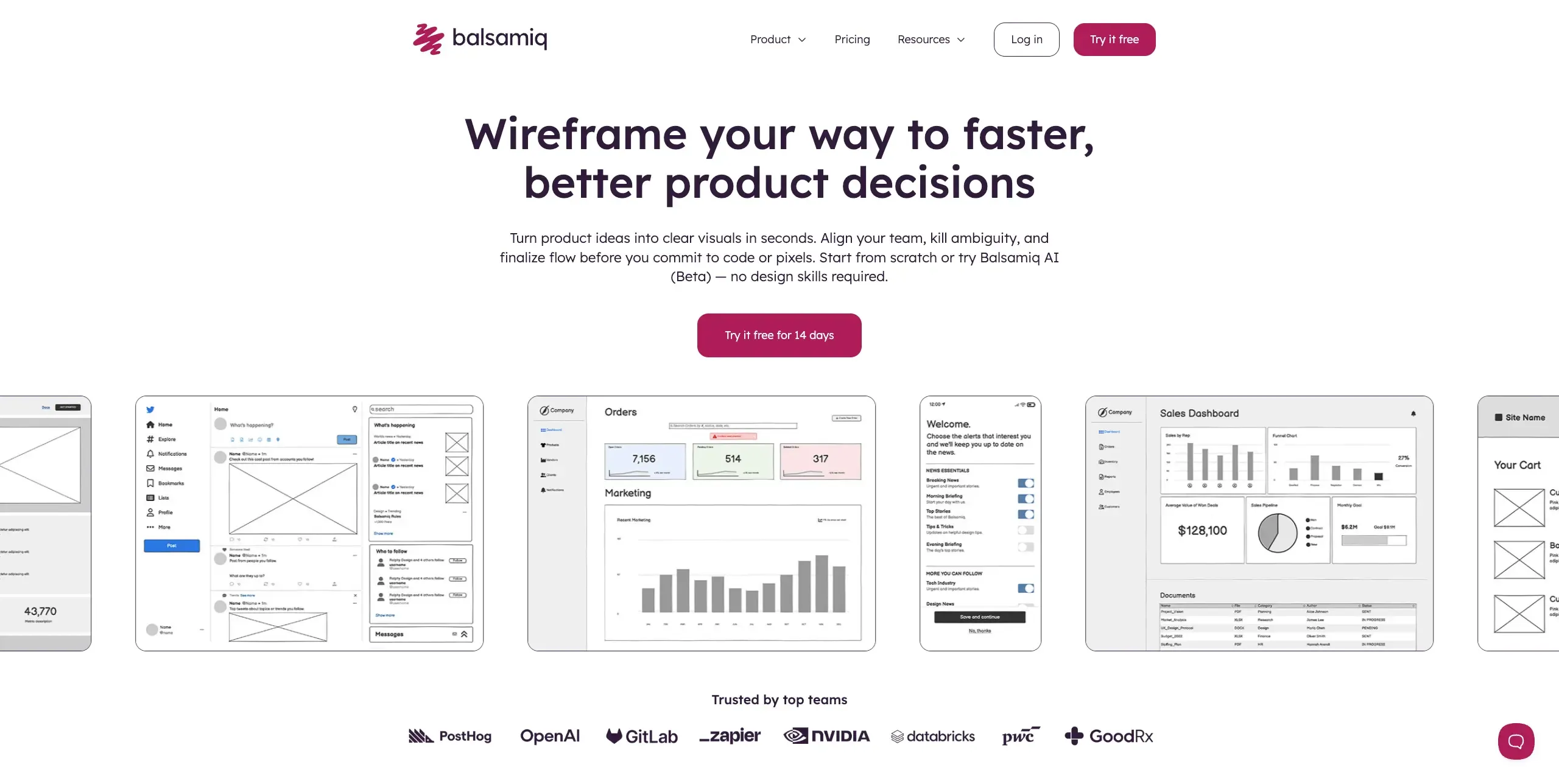
Balsamiq deliberately creates low-fidelity, sketch-style wireframes that keep the focus on structure and flow rather than visual polish.
Best for: Early-stage wireframing and rapid concept exploration.
Strengths:
Intentionally rough aesthetic discourages premature polish
Extremely fast to learn and use
Great for stakeholder workshops
Affordable pricing
Limitations:
Not suitable for high-fidelity work
Limited interactivity options
Can feel too simple for experienced designers
Ideal use case: Product teams in early discovery phases who need to explore many concepts quickly.
InVision
InVision helped popularize clickable prototyping and remains a solid option for teams that need straightforward prototype sharing and feedback collection.
Best for: Creating clickable prototypes from static designs and gathering stakeholder feedback.
Strengths:
Simple learning curve
Good commenting and feedback features
Integrates with many design tools
Freehand whiteboarding included
Limitations:
Design capabilities less robust than competitors
Company has shifted focus away from core prototyping
Some features being deprecated
Ideal use case: Teams that create designs in other tools but need a simple way to make them clickable and gather feedback.
Webflow
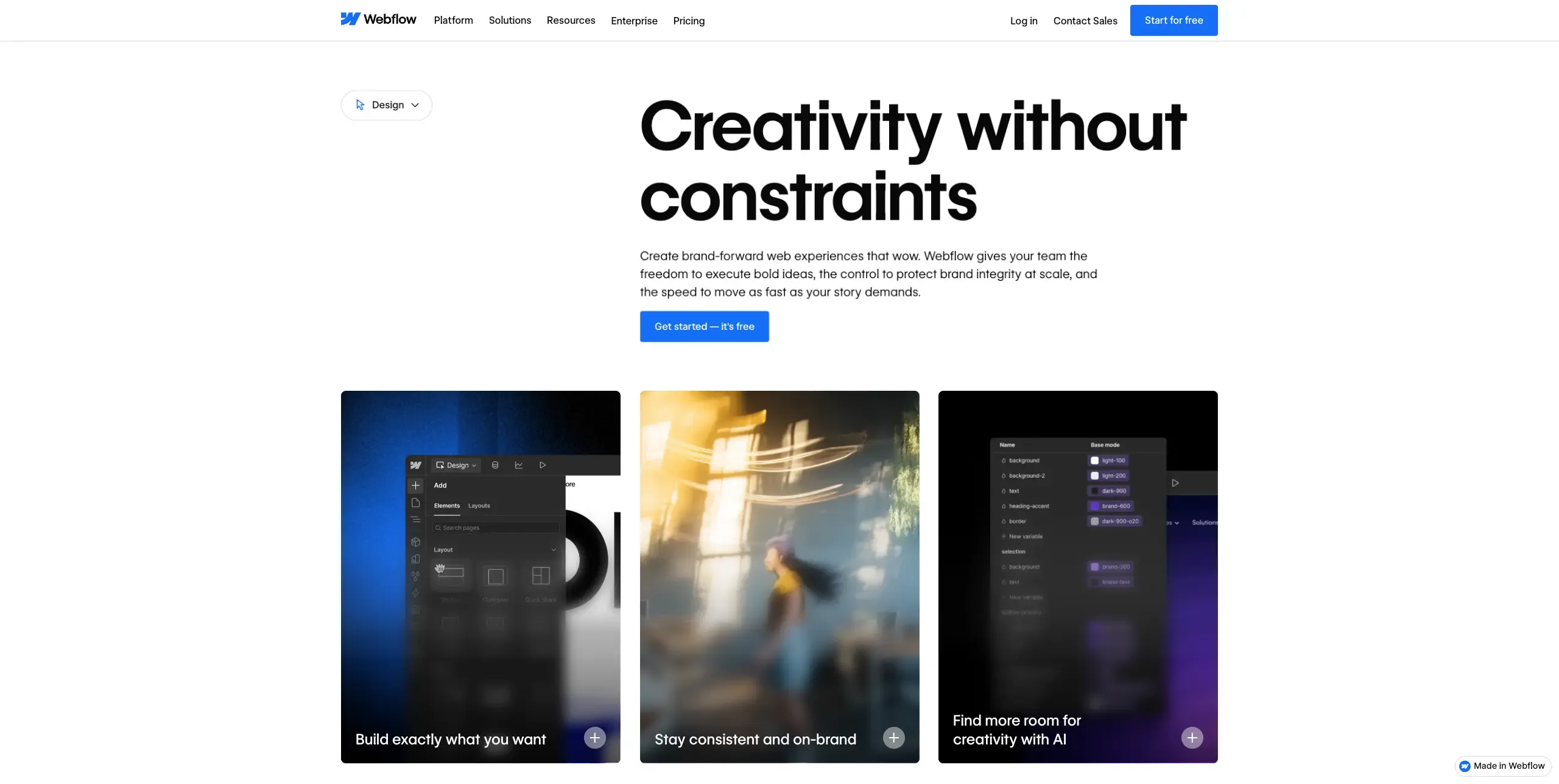
Webflow is an all-in-one web design and development platform where you can create interactive and responsive prototypes for websites and web apps without writing any code.
Best for: Web designers who want to create production-ready sites without coding.
Strengths:
Prototypes become production websites
Full CSS control without code
CMS and ecommerce capabilities
Hosting included
Limitations:
Web-only (not for mobile app prototyping)
Significant learning curve
Can be expensive for multiple projects
Ideal use case: Web designers and agencies creating marketing sites who want to eliminate the design-to-development handoff entirely.
Origami Studio
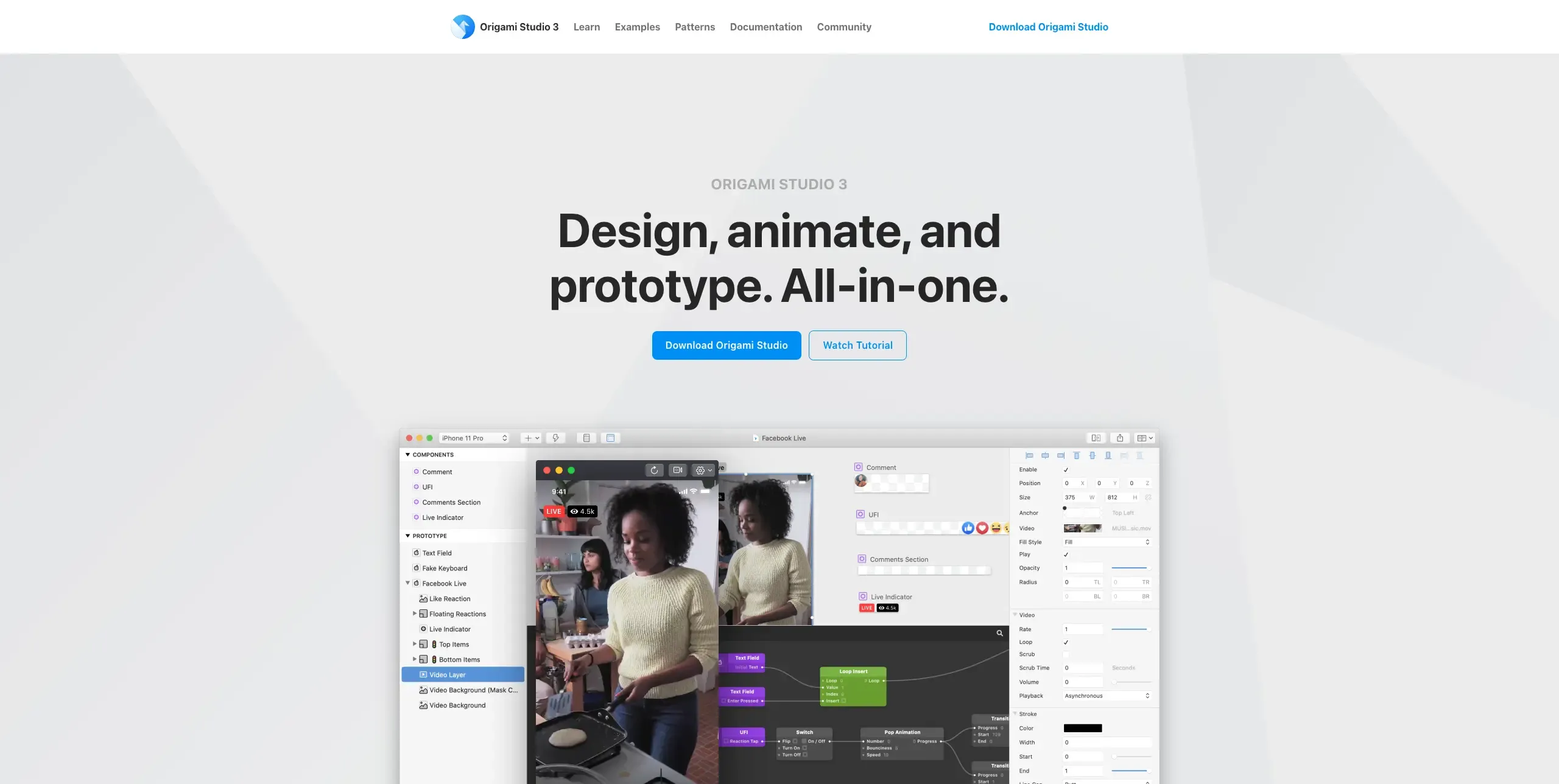
Origami Studio is a free digital prototyping tool for Mac developed by Meta (formerly Facebook). It's particularly strong for mobile prototyping with complex interactions.
Best for: Mobile app prototyping with advanced interactions.
Strengths:
Completely free
Powerful interaction and animation capabilities
Direct device preview
Used to design Facebook, Instagram, and Messenger
Limitations:
Mac-only
Steep learning curve
Smaller community than commercial tools
Ideal use case: Mobile designers who need advanced interaction prototyping and don't mind investing time to learn a powerful tool.
UXPin
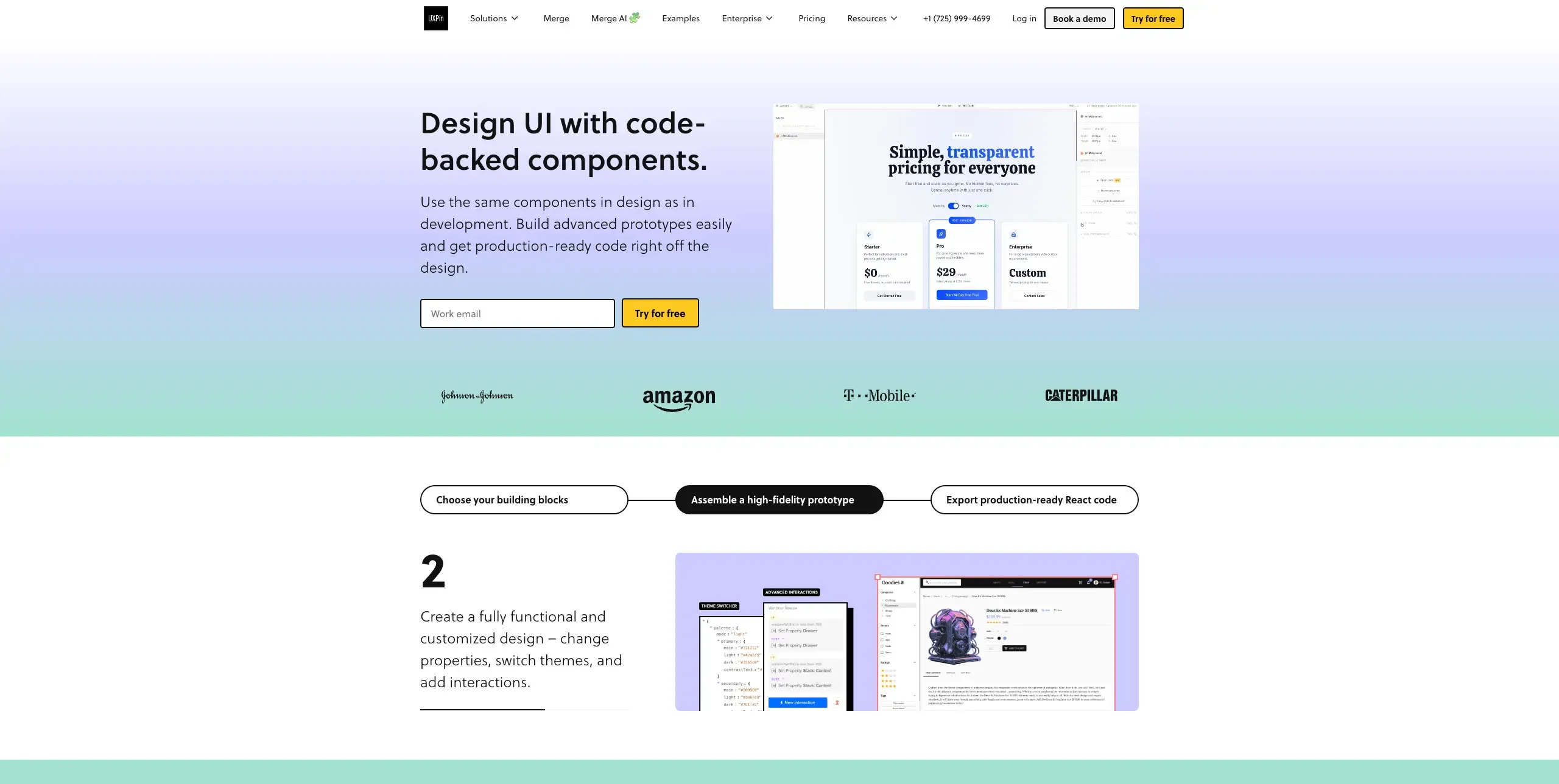
UXPin is a cloud-based design and prototyping tool that lets teams create interactive, high-fidelity prototypes with a drag-and-drop interface. What sets it apart is its support for code components – you can build prototypes using actual React components from your design system, meaning what you test is much closer to what gets built.
Best for: Design teams managing shared design systems and enterprise workflows.
Strengths:
Code component support for realistic, production-close prototypes
Robust design system management with reusable component libraries
Collaboration tools including in-prototype commenting and version control
Responsive design with adaptive layout controls
Limitations:
Can feel heavy for simple prototyping tasks
Higher learning curve than more visual-first tools
Pricing scales up quickly for larger teams
Ideal use case: Enterprise design teams who need their prototypes to reflect real component behavior and want tight alignment between design and development.
Prototyping tools vs wireframing tools
While there's significant overlap between prototyping and wireframing tools, understanding their differences helps you choose the right tool for each phase of your design process.
For a comprehensive comparison of available options, here's a reference table of popular tools and their primary strengths:
Tool | Primary Use | Fidelity | Key Strength |
|---|---|---|---|
Figma | Design & Prototyping | Low to High | Real-time collaboration |
Sketch | Design & Prototyping | Low to High | Mac-native performance |
Adobe XD | Design & Prototyping | Low to High | Adobe ecosystem integration |
Axure RP | Complex Prototyping | Medium to High | Conditional logic |
Framer | Design & Development | High | Code-level control |
Balsamiq | Wireframing | Low | Rapid sketching |
InVision | Prototyping & Feedback | Medium to High | Stakeholder collaboration |
Webflow | Web Design & Development | High | Production-ready output |
Origami Studio | Mobile Prototyping | High | Advanced interactions |
Marvel | Prototyping | Low to Medium | Simplicity |
Proto.io | Mobile Prototyping | Medium to High | Mobile-first features |
Principle | Animation Prototyping | High | Micro-interactions |
ProtoPie | Advanced Prototyping | High | Realistic interactions |
Miro | Collaborative Wireframing | Low | Team workshops |
Whimsical | Wireframing & Flowcharts | Low | Speed and simplicity |
When to use wireframing tools:
Early discovery and ideation phases
Exploring information architecture
Facilitating stakeholder workshops
Testing basic concepts before investing in detail
When to use prototyping tools:
Validating user flows and interactions
Testing specific design decisions
Preparing for usability testing
Communicating design intent to developers
Many teams use both categories throughout a project – starting with low-fidelity wireframes to explore concepts, then moving to high-fidelity prototypes for validation and handoff.
How to choose the right prototyping tool
With so many options available, selecting the right prototyping tool requires careful consideration of your specific needs. Here are the key factors to evaluate:
Fidelity level
Consider what level of detail you typically need in your prototypes:
Low-fidelity needs: If you're primarily doing early exploration and concept testing, simpler tools like Balsamiq or Whimsical may be sufficient.
High-fidelity needs: If you need pixel-perfect prototypes for usability testing or developer handoff, invest in tools like Figma, Sketch, or Framer.
Variable needs: Most teams benefit from tools that can scale from low to high fidelity as projects progress.
Collaboration needs
Think about how your team works together:
Solo designers may prioritize simplicity and personal workflow fit.
Distributed teams need real-time collaboration features and cloud-based access.
Cross-functional teams benefit from tools that support commenting, version history, and easy sharing.
Look for tools with built-in design specs, code snippets, or integration with your dev team's tools.
Learning curve
Be realistic about the time investment required:
Quick ramp-up: Tools like Balsamiq and InVision can be learned in hours.
Moderate learning curve: Figma and Sketch require days to weeks for proficiency.
Significant investment: Axure, Framer, and Origami Studio may take weeks or months to master fully.
Consider whether your team has time for training and whether the tool's power justifies the learning investment.
Budget and scalability
Evaluate costs across your team's likely growth:
Free options: Figma's free tier, Origami Studio, and limited versions of many tools work for individuals and small teams.
Mid-range: Most professional tools cost $10-30 per user per month.
Enterprise: Large teams may need enterprise plans with advanced security, admin controls, and support.
Factor in not just the tool cost but also the cost of plugins, integrations, and training.
Integration with testing tools
The most valuable prototypes are those that get tested with real users. Consider how easily your prototyping tool integrates with user research platforms:
Can you easily share prototype links for remote testing?
Does the tool support embedding in testing platforms?
Can you track user interactions within the prototype?
Tools that integrate smoothly with testing platforms like Lyssna enable faster feedback cycles and more informed design decisions.
Prototyping and usability testing
Creating prototypes is only half the equation – testing them with real users is what transforms assumptions into validated design decisions. Here's how to integrate testing throughout your prototyping process.
Why prototypes should be tested
Every prototype represents a hypothesis about what users need and how they'll behave. Testing validates or challenges these hypotheses before you've invested in development.
Benefits of testing prototypes:
Uncover usability issues before they become expensive to fix
Validate design decisions with evidence rather than opinions
Build stakeholder confidence through user feedback
Prioritize improvements based on actual user struggles
For a comprehensive guide to testing approaches, check out Lyssna's prototype testing guide, which provides a comprehensive rundown of when and how to test your prototypes, and the methods you can use.
What can be tested at each fidelity
Different fidelity levels support different types of testing:
Low-fidelity prototypes can test:
Information architecture and navigation structure
Content hierarchy and labeling
Basic user flows and task completion
Concept appeal and comprehension
High-fidelity prototypes can test:
Visual design effectiveness
Micro-interactions and animations
Realistic task completion times
Emotional response and brand perception
How feedback informs iteration
Create prototype based on current understanding
Test with users to gather feedback
Analyze results to identify patterns and issues
Iterate on design to address findings
Test again to validate improvements
This cycle can happen multiple times within a single sprint, with each iteration bringing the design closer to meeting user needs.
How Lyssna works with prototyping tools
Lyssna's prototype testing feature allows you to get feedback on designs and make data-driven decisions to improve your products. The platform integrates with Figma to enable rapid feedback cycles.
Ready to test your prototype? Browse our prototype testing templates to get started quickly.
First click, preference, and usability testing
Lyssna offers multiple testing methods that also work with prototypes:
First click testing: Understand where users expect to find features and whether your navigation is intuitive.
Preference testing: Compare design variations to see which resonates better with users.
Usability testing: Watch users complete tasks and identify friction points in your flows.
Rapid feedback cycles
The combination of modern prototyping tools and Lyssna's testing platform enables fast feedback cycles. Teams can:
Mock up a design variation in their prototyping tool
Set up a test in Lyssna in minutes
Recruit participants from Lyssna's panel of 690,000+ users
Receive actionable feedback within hours
This speed transforms how teams make design decisions – instead of debating opinions in meetings, they can test hypotheses with real users and let data guide the conversation.

Practitioner insight: The ability for us to design a quick mockup, run it on Lyssna and receive feedback within an hour has helped us reach definitive design decisions much sooner than before.
– Chris Taylor, Senior UX/UI Designer at Canstar
Start testing your prototypes today
Get feedback on your designs from real users and iterate faster with Lyssna.
FAQs about prototyping tools


Diane Leyman
Senior Content Marketing Manager
Diane Leyman is the Senior Content Marketing Manager at Lyssna. She brings extensive experience in content strategy and management within the SaaS industry, along with editorial and content roles in publishing and the not-for-profit sector

You may also like these articles




Try for free today
Join over 320,000+ marketers, designers, researchers, and product leaders who use Lyssna to make data-driven decisions.
No credit card required